Establishing Space Architecture as a sustainable discipline requires more than research. It requires continuous dialogue and the education of future generations of architects, engineers, scientists, and decision-makers, while fostering interdisciplinary thinking from an early age.
The educational activities of Space-Craft connect outreach, university teaching, executive education, and international collaboration into a continuous learning pathway. This integrated approach forms an Educational Ecosysteam, guiding learners from their first encounter with Space Architecture through to professional practice and international leadership.
Inspiring Future Generations
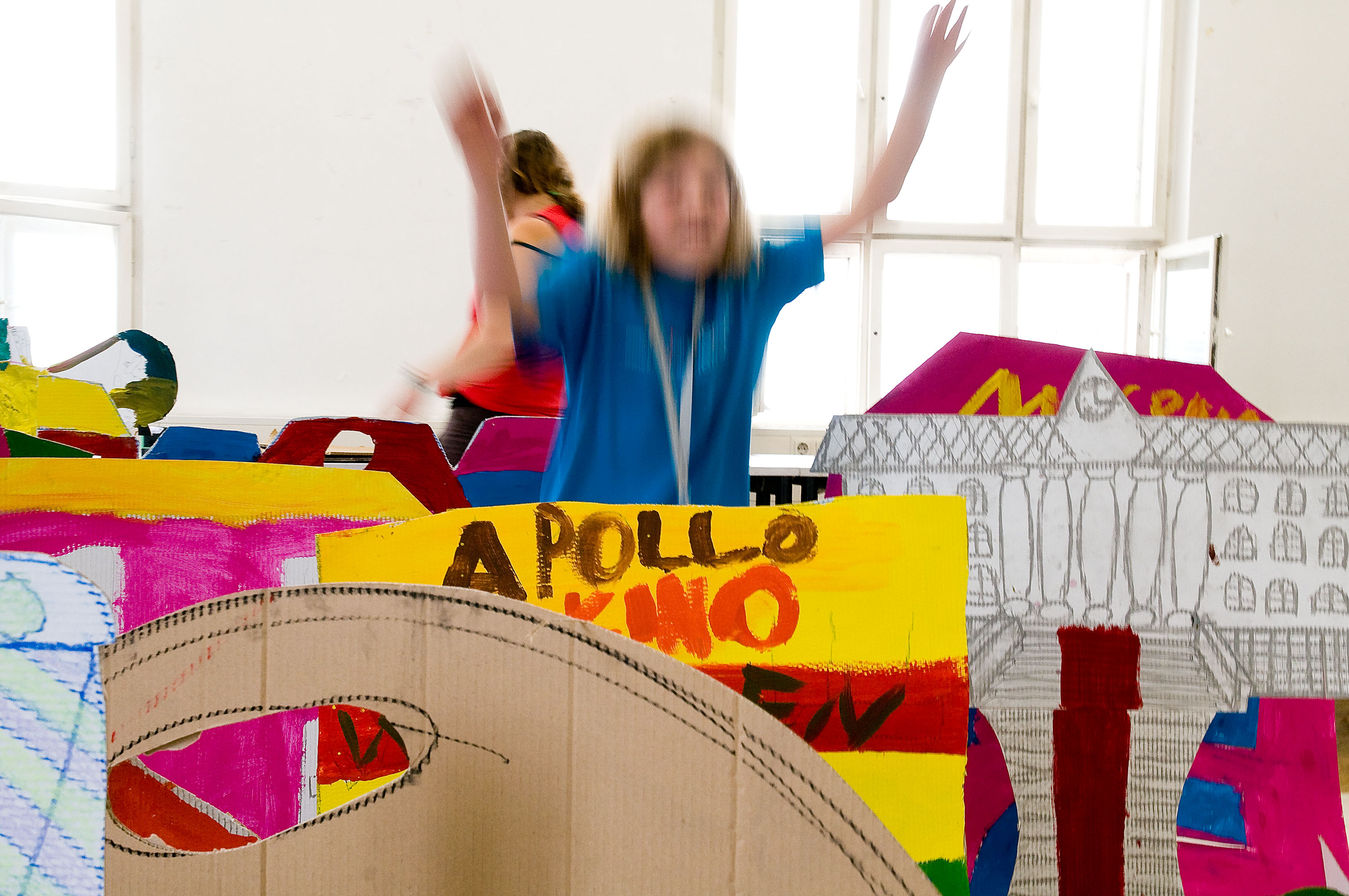
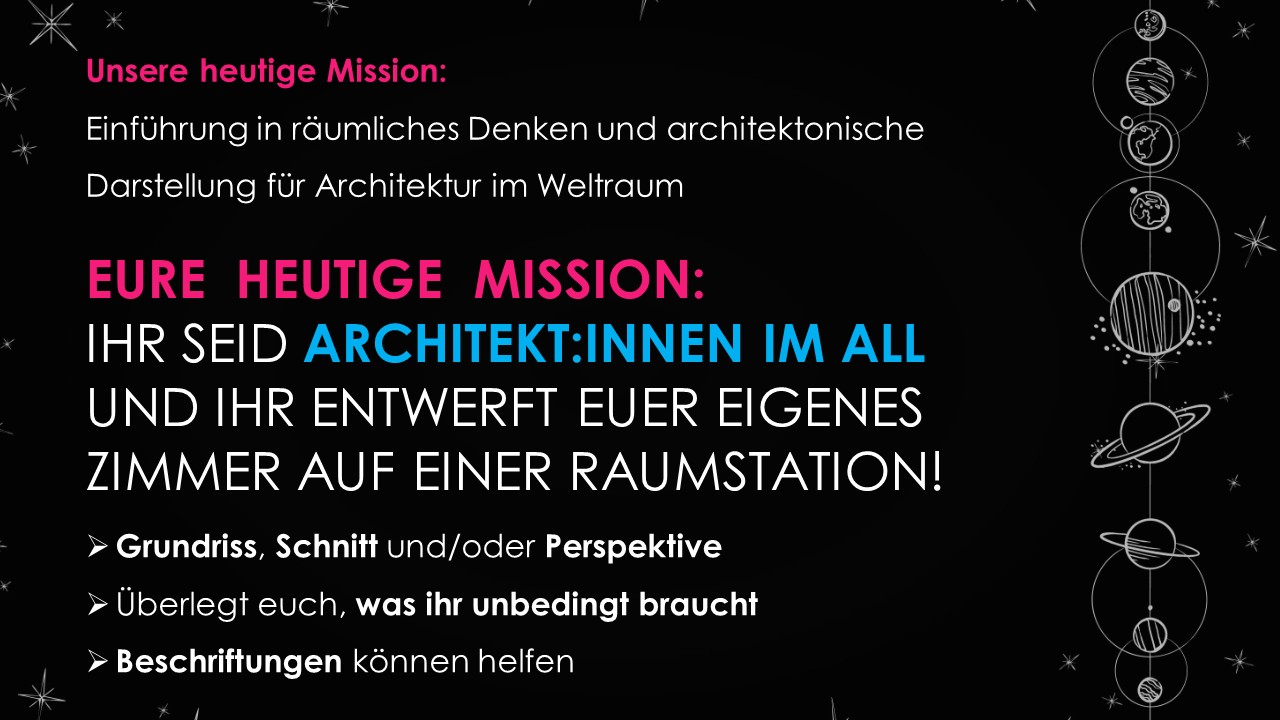
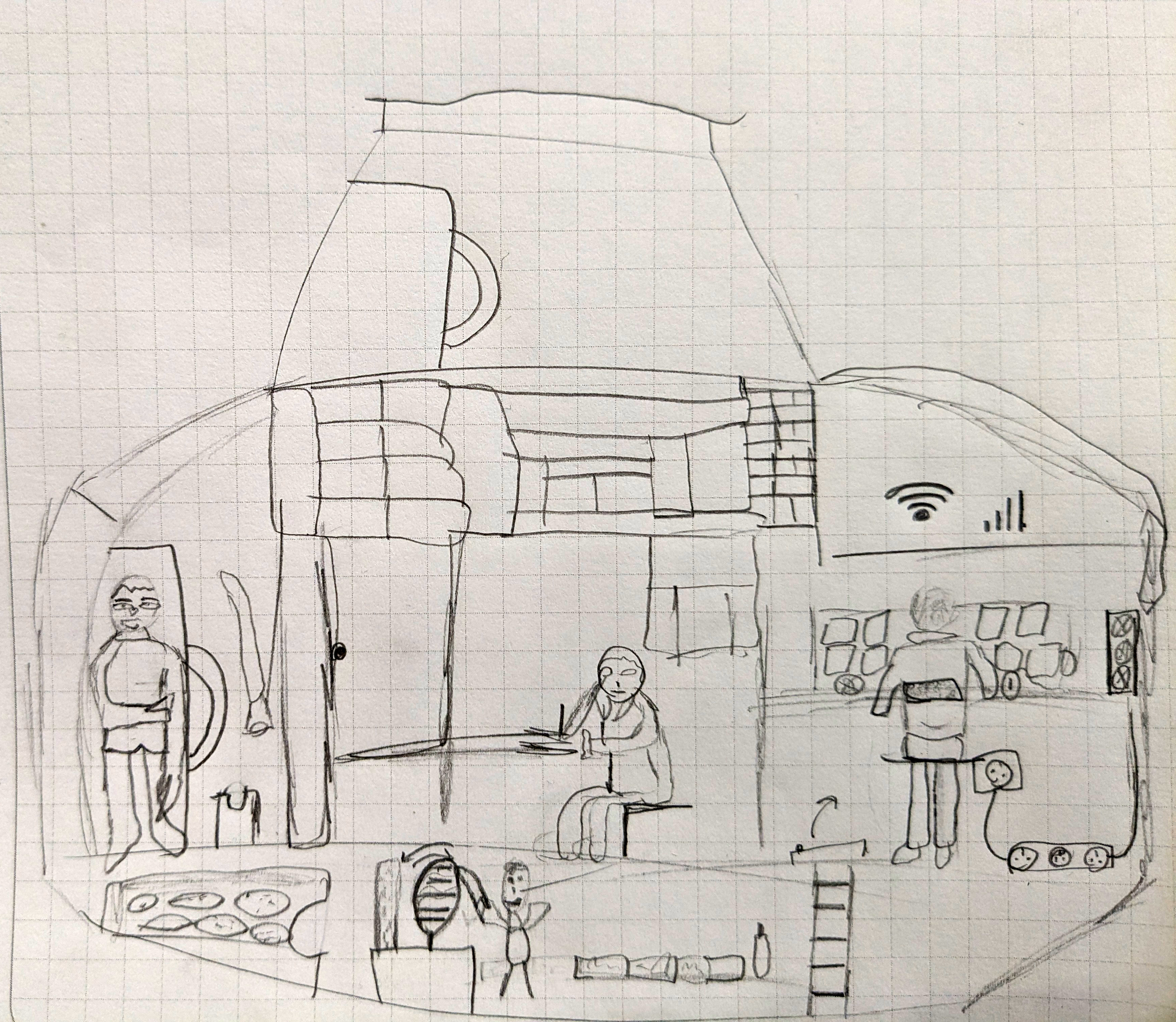
The engagement with Space Architecture begins long before university. Through Kinderuni workshops, public outreach activities, museum workshops, and STEM initiatives, children in kindergarten and primary school (ages 7–12) are introduced to architecture, engineering, and human space exploration through hands-on design experiences.
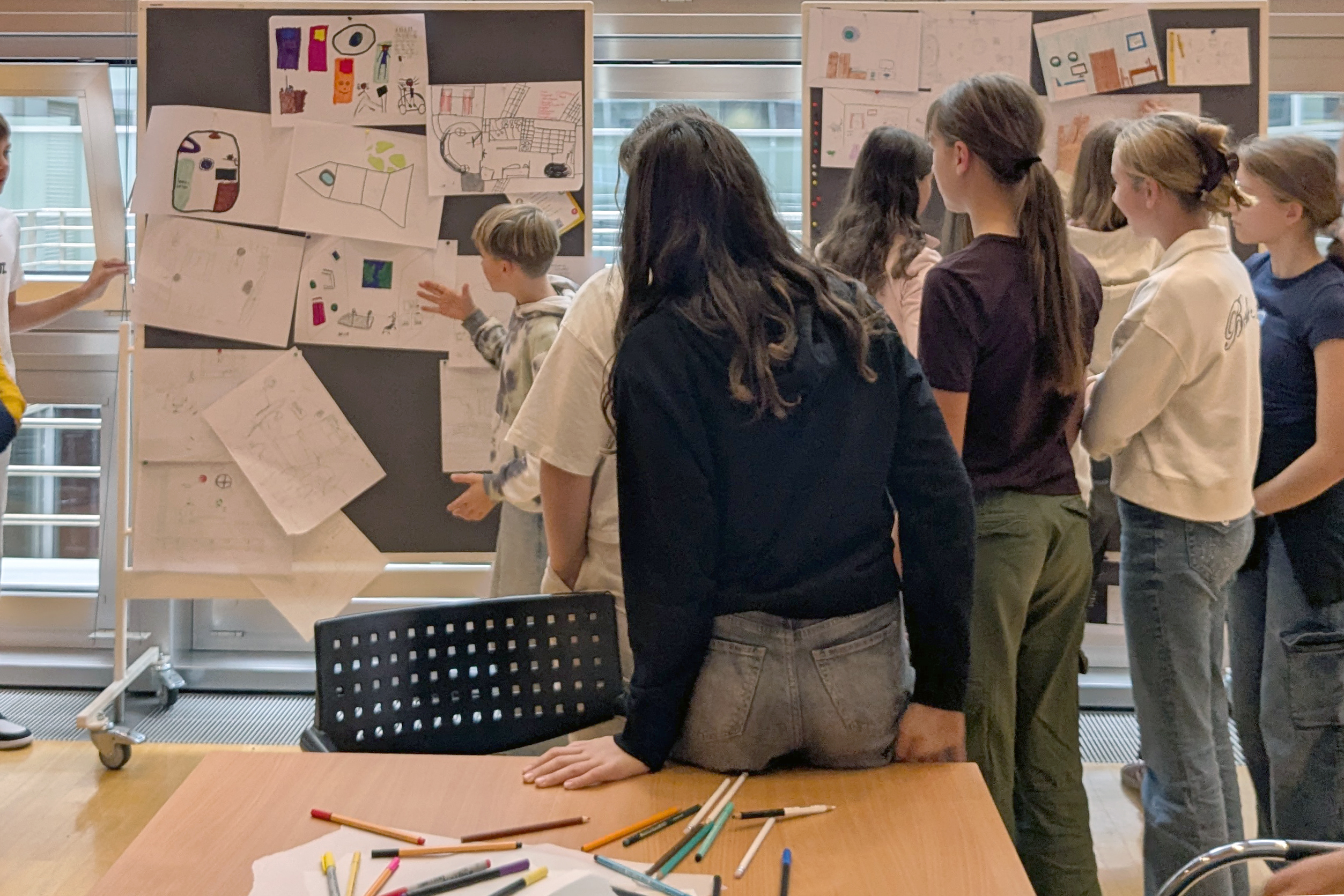
For students aged 12–14, programmes such as the VifZack Academy at VISTA – the Institute of Science and Technology Austria (ISTA) in Klosterneuburg – and the Experimentiertag in St. Pölten provide opportunities to explore STEM disciplines through practical experiments and interdisciplinary activities.
These activities encourage creativity, curiosity, and systems thinking while providing an accessible first encounter with the challenges and opportunities of designing for space.
Developing Young Talent
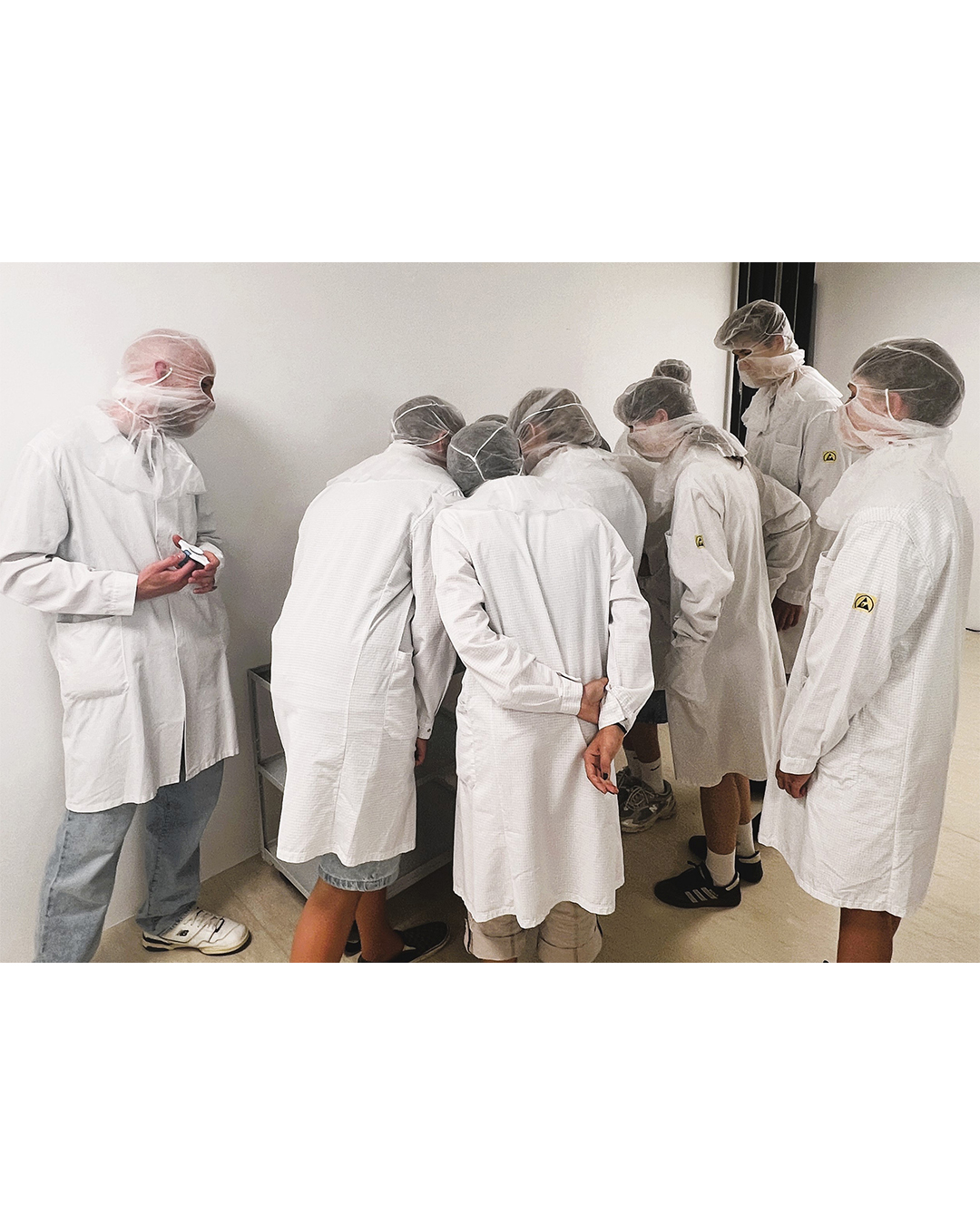
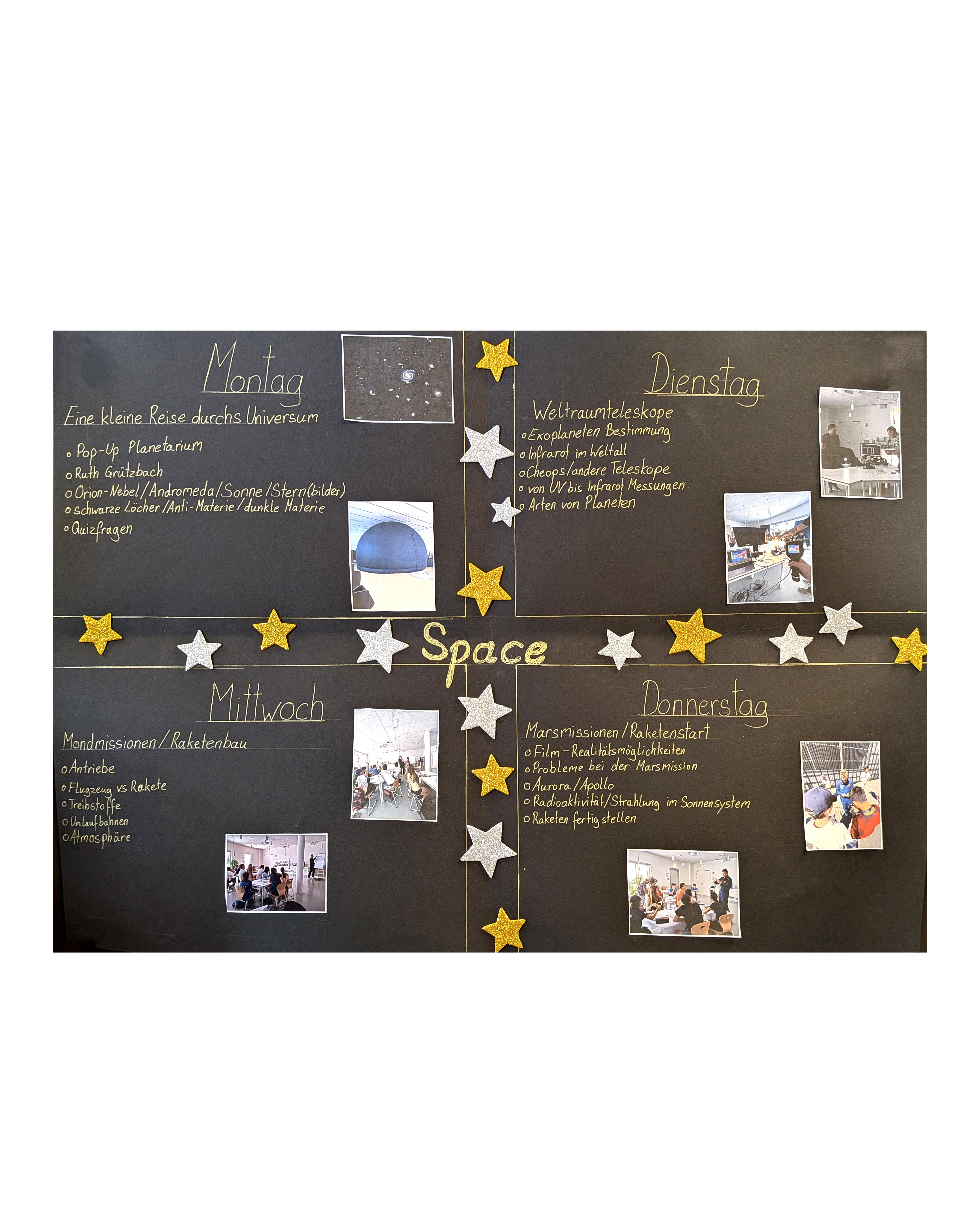
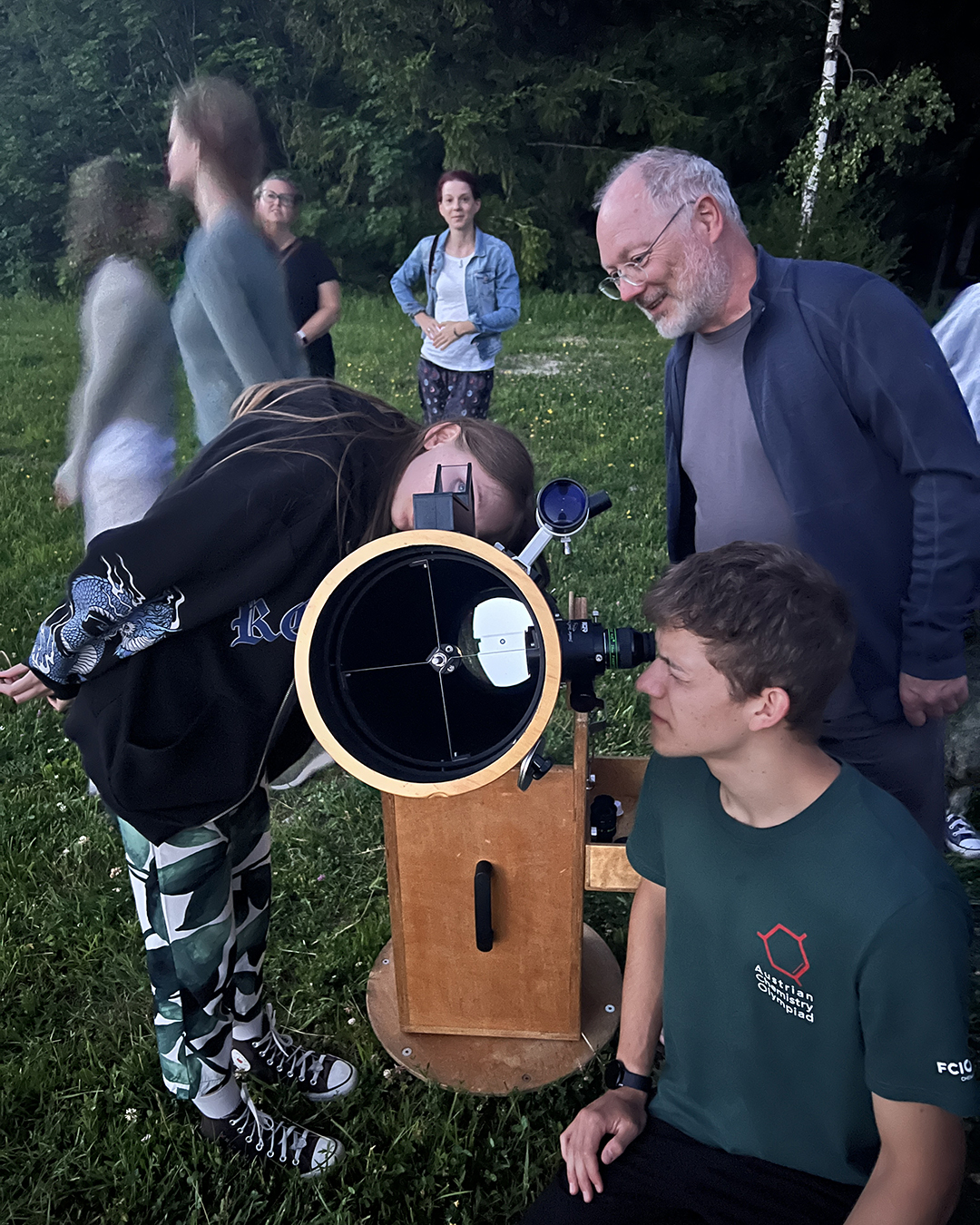
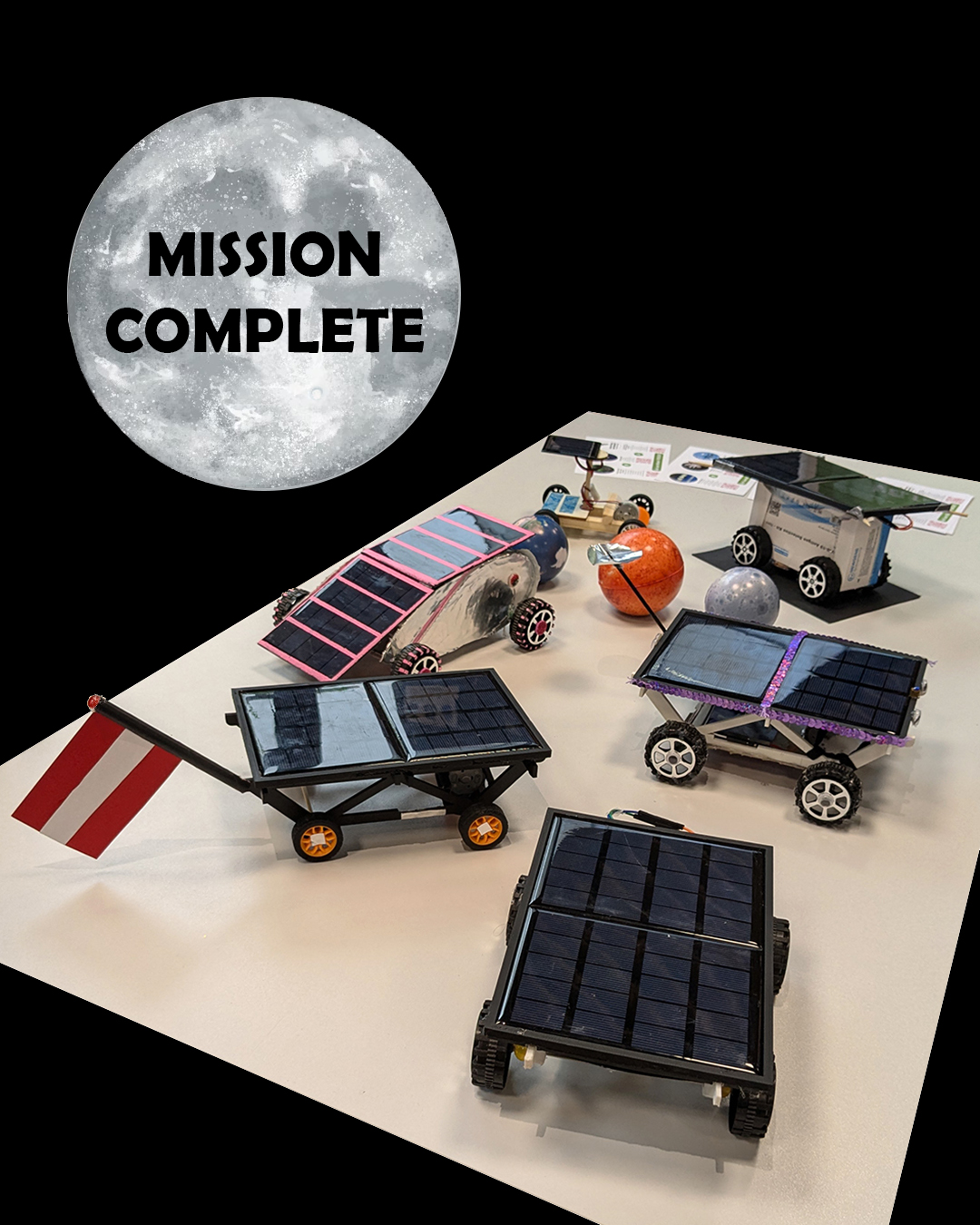
As Academic Director of the Space Programme at the Science Academy Lower Austria, a two-year interdisciplinary programme was developed for highly motivated secondary-school students (ages 14–16). The programme integrates architecture, engineering, psychology, human factors, and space sciences. By engaging participants in collaborative, project-based learning, the programme provides an early introduction to scientific research while inspiring future careers in STEM and also Space Architecture.
University Education
At TU Wien, Space Architecture has been established as a recognised teaching and research focus through specialised courses, interdisciplinary design studios, and research-led teaching.
Since the introduction of the Master’s module Emerging Fields in Architecture in 2012, students have had the opportunity to work directly with internationally recognised experts and address authentic challenges related to future human exploration. The resulting open-access design studio publications have attracted more than 1.6 million views, extending the educational impact of these activities to a global audience.
Professional and Executive Education
The growing demand for interdisciplinary expertise within the New Space Economy has also led to the development of the Executive MBA in Space Architecture and Management at TU Wien Academy.
Under the programme’s academic direction, an international curriculum brings together professionals and faculty from architecture, engineering, industry, management, government, and space agencies. The programme combines technical knowledge with strategic thinking, innovation, and interdisciplinary collaboration, preparing professionals for leadership roles at the intersection of space, technology, design, and management.
International Collaboration and Knowledge Transfer
Education extends beyond the classroom. Visiting professorships, international design studios, invited lectures, conference workshops, and collaborative teaching with universities, space agencies, and industry partners across Europe, Asia, and North America contribute to an international culture of knowledge exchange.
These activities connect students and professionals with leading experts, facilitate the transfer of knowledge across disciplines and institutions, and contribute to strengthening the global Space Architecture community.